
Voice and tone
We speak to freelancers as peers. They’re independent professionals who know their business, value their time and don’t need another sales pitch. Our writing is direct, approachable and confident, whether we’re announcing an event, sharing an idea or helping someone find their way around.
Voice
Our voice is the personality behind everything we say. It stays the same across campaigns, events and everyday messages.
Direct, not cold
Say what matters first. Be straightforward, specific and respectful of people’s time.
Warm, not cute
Write like someone you’d enjoy meeting at an event. Be welcoming and human, without forced humour, nicknames or exaggerated enthusiasm.
Confident, not loud
We’re proud of what we do, but we don’t need to shout about it. Let real experiences, useful ideas and specific details build the excitement.
Clear, not corporate
Use familiar words and natural sentences. Avoid marketing jargon, needless formality and language that makes simple things sound complicated.
Say what you mean
The same news, with and without the ceremony.
Tone
Our personality stays the same, but our tone adapts to the situation. A campaign can be energetic, a reminder should be practical and an apology needs to be sincere. The more important the information, the less personality should get in its way.
Announcing
Be lively and engaging. Build excitement around something tangible rather than exaggerating its importance.
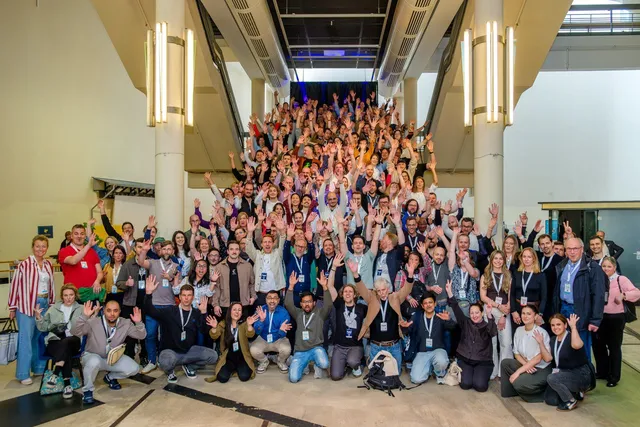
FUN27 is back in Berlin.
Two days on AI, clients and the business of freelancing.
See the programme →Informing
Be calm, precise and helpful. Put the practical details first, so the important information is easy to find.
Before you arrive
Doors open at 9:00. The badge desk is on the ground floor, and your ticket is in the app.
See you there!
Celebrating
Be appreciative and community-focused. Celebrate the people and what we shared rather than congratulating ourselves.
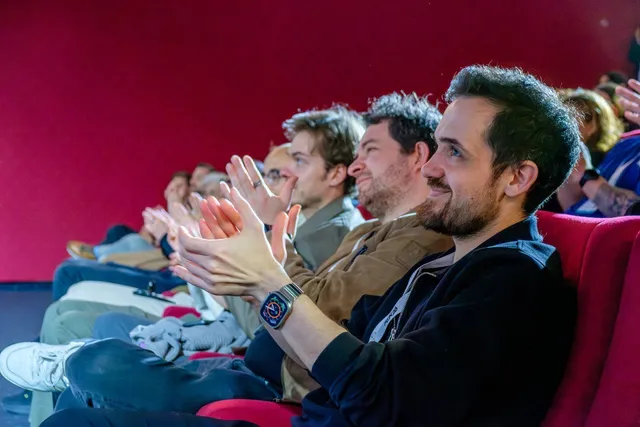
655 freelancers. Two days. One very full hall.
Thanks for being part of it.
When something goes wrong
Be honest, calm and responsible. Acknowledge the problem, apologise where it’s due and say what happens next. Leave out humour and promotion.
Livestream update
The stream was interrupted for 10 minutes. We’re sorry about that.
The full recording is now available.
Watch the recording →
Writing
Good writing gives people something useful, makes it easy to understand and tells them what they can do next. We favour concrete language, short paragraphs and a clear order of information. Personality should make a message more engaging, never harder to understand.
Headlines
A good headline carries one clear idea. It might announce something, introduce a useful subject or make a promise worth keeping. Campaign headlines have room for personality; informational ones put clarity first. How headlines look is set out on Typography.
Four ways to meet your people this season.
See all events →Main stage today
- 10:00Opening
- 10:30Pricing your work when everyone has AI
- 11:15Contracts that protect you
- 12:00Lunch
Doors open at 9:00.
Avoid generic slogans, inflated promises and curiosity tricks that hide the subject. If a headline could appear on almost any company’s website, make it more specific. Keep headlines short and in sentence case.
Speakers own their talk titles. We edit them for consistency and readability, and agree any change to the meaning with the speaker.
Supporting copy
Once the headline has someone’s attention, give them the details they need. Put the most useful information first, develop one idea at a time and cut anything that doesn’t help the message.
- Prefer concrete information over vague promises.
- Keep paragraphs short and focused.
- Use natural sentences, not jargon.
- Make dates, places, prices and important conditions easy to find.
- Be specific about what people will experience or learn.
- Don’t repeat the headline in different words.
Calls to action
A call to action says what happens when someone acts, rather than selling them the action. The main action on a page takes the primary button, set out on Colour.
- Get tickets to buy a ticket
- Save your spot to register for a free event
- See speakers for the programme or speaker information
- See all events for event listings
- Subscribe for the newsletter
- Download the brand kit for files
Keep labels to one to three words where you can, in sentence case. Avoid vague labels such as “Click here”, and keep promotional claims out of buttons. Put the price or deadline near the action, and create urgency only when there’s a real reason for it.
FUN27 ticket
€149
VAT included
Get tickets →English and German
We write in English and German, and both languages are considered from the start, not added afterwards. The personality stays the same, but each text should feel natural to the people reading it. Adapt the phrasing and the cultural references rather than translating word for word.
Best practices
- English. Use British English: colour, organisation, programme.
- German. Address people with the informal “du”, not “Sie”.
- Inclusive language. Use welcoming, gender-inclusive wording in both languages. Prefer “people”, “everyone” and “freelancers” over “guys”. In German, favour natural inclusive terms such as “Teilnehmende” and “Selbstständige”.
- Local language. Use familiar expressions where they fit, but avoid slang that excludes people or makes information hard to understand.
- Names. Our names stay the same in both languages. Never translate them.
- Language labels. Don’t use flags for languages. A flag stands for a country, and German isn’t only spoken in Germany. Use the two-letter ISO 639-1 code instead: EN, DE.
- Length. German often runs longer than English and has long compound words. Leave room for the longer version in layouts, headlines and buttons, and check every design in both languages before it goes out.
House style
Consistent conventions make our writing recognisable across channels, languages and contributors.
Names
- Freelance Unlocked. Always both words, both capitalised. Never FU, Freelance unlocked or FreelanceUnlocked.
- FUN27. FUN followed directly by the two-digit year, with no space and no other capitalisation.
- Wiesn Unlocked. Always written as shown, without a hyphen and never translated.
- Badges. Name people’s roles, not their visitor status: FREELANCER, not VISITOR.
Numbers, dates and prices
Follow the conventions of the language you’re writing in.
| English | German | |
|---|---|---|
| Numbers | 1,200 | 1.200 |
| Dates | 10–11 June 2027 | 10.–11. Juni 2027 |
| Short dates | Thu 3 Dec 2026 | Do., 3. Dez. 2026 |
| Times | 18:00 | 18:00 Uhr |
| Prices | €149 | 149 € |
| Tax | VAT included | inkl. MwSt. |
Ranges take an en dash without spaces in both languages: 10–11 June, July–October.
Capitalisation and punctuation
- Use sentence case for headlines, titles, buttons and interface text.
- Keep all caps for short functional labels where the design calls for them.
- Leave out the serial comma in straightforward English lists.
- Use curly quotation marks and apostrophes: “like this” and it’s.
- Use exclamation marks sparingly, no more than one per piece.
- Use no more than one emoji per social post, and none in headlines or print.
- Don’t use text-message shorthand in published copy.